
The complete guide
How to Choose a Downspout Rodent Guard That Actually Keeps Pests Out
The problem nobody notices until it is bad
Most people find out about this the same way. There is a scratching sound inside a wall, or water pours over the gutter edge during a storm while the downspout stays dry. Someone gets on a ladder, finds nothing wrong up top, and eventually works out that the blockage is halfway down the vertical pipe. When the pipe comes apart, out falls a wad of shredded leaf, insulation, grass and twigs. A nest.
Downspouts are close to perfect shelter from an animal's point of view. They are dry. They are narrow enough to feel safe. They are vertical, which keeps most predators out. And at the bottom, the opening sits at ground level, often behind a shrub or beside a fence, exactly where a mouse already walks. Nothing about a plain downspout says "stay out".
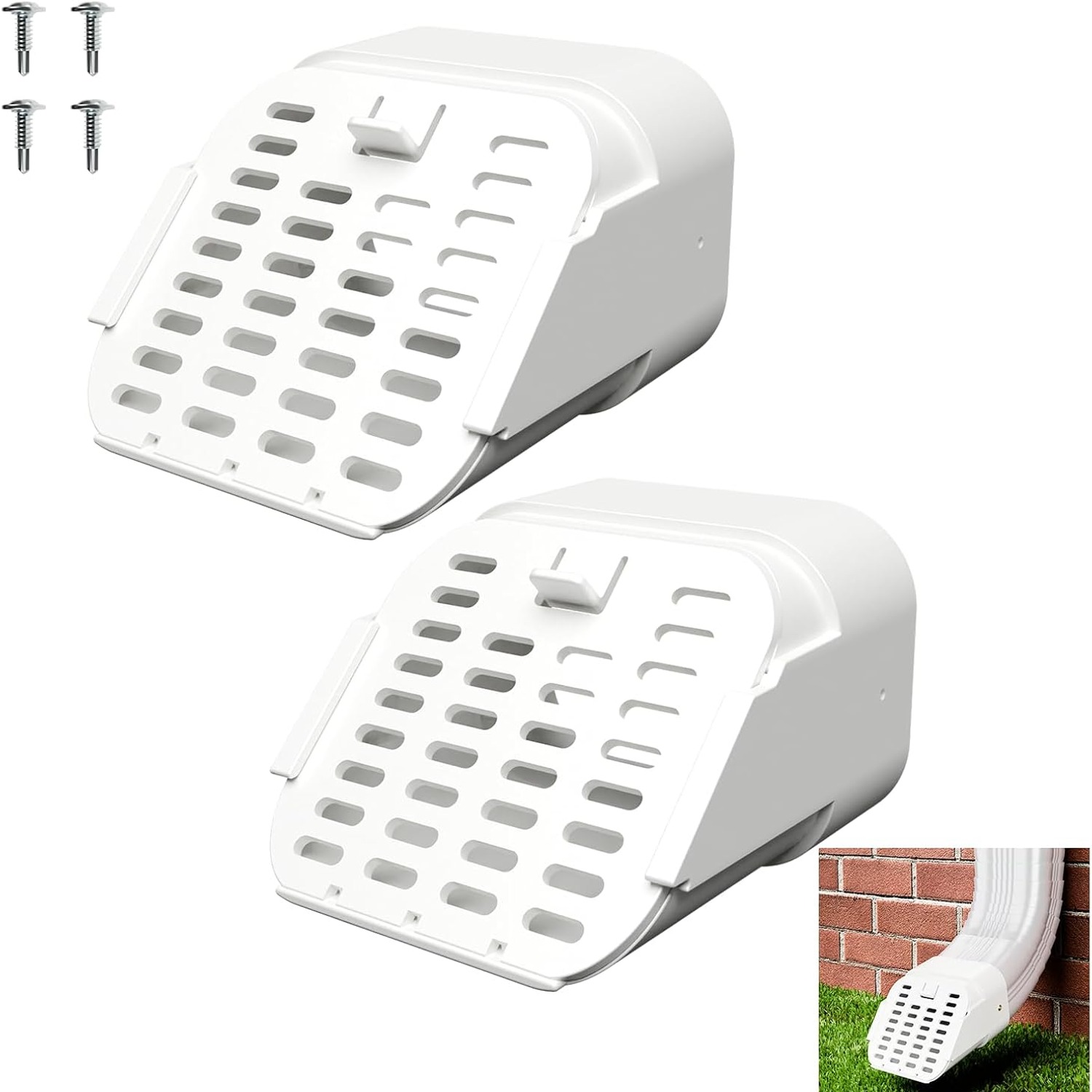
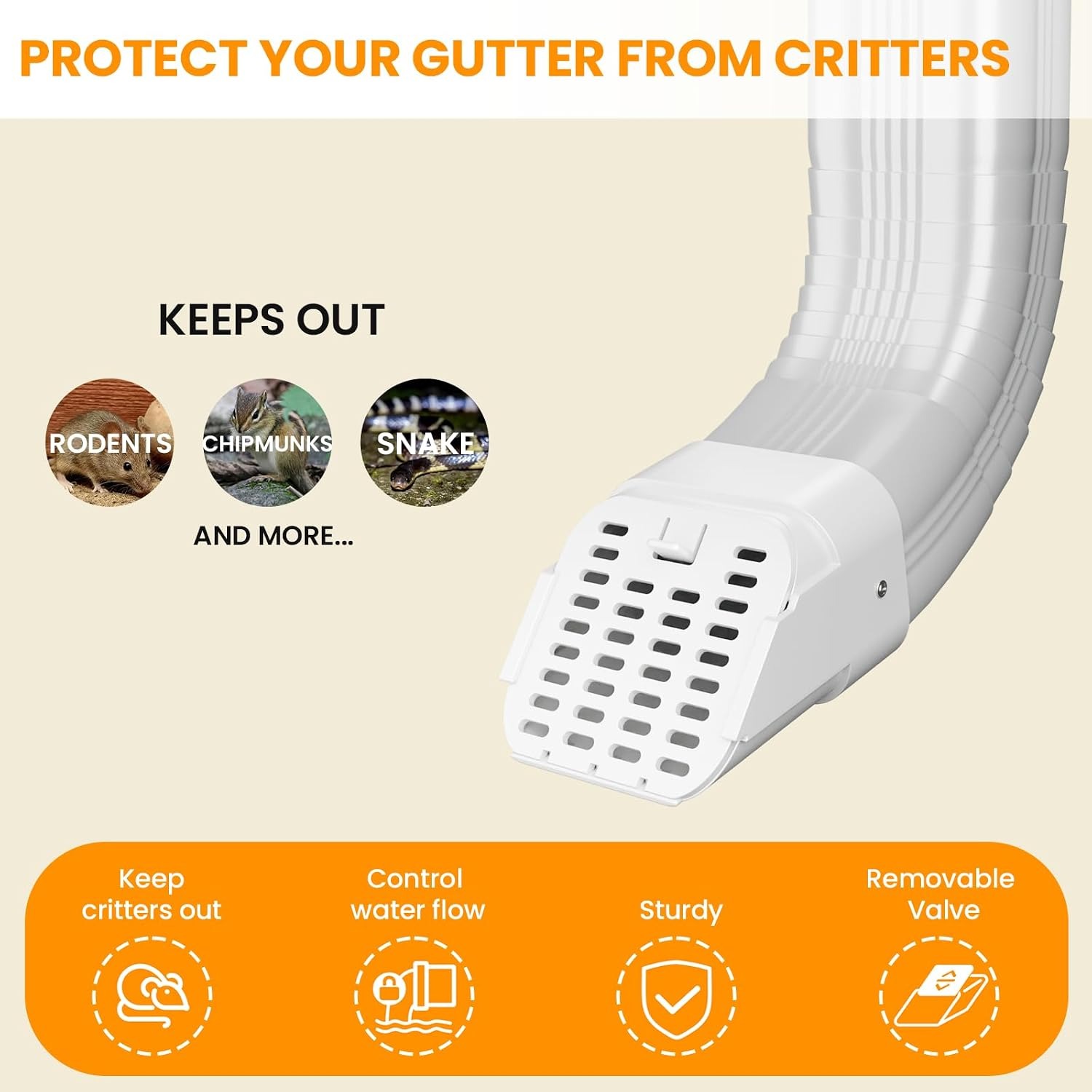
A downspout rodent guard fixes that at the source. It puts a screen across the opening so the animal meets a barrier instead of a tunnel, while rain carries on draining out the way it always did.
How this guard works
There are two parts doing two jobs.
The first is the screen itself. It covers the opening with gaps too small for a mouse, a rat or a bird to pass. That is the whole pest-control argument and it is a simple one. Animals do not chew through a barrier for fun. If the easy route is closed, they go and find another easy route somewhere else, which is usually off your property.
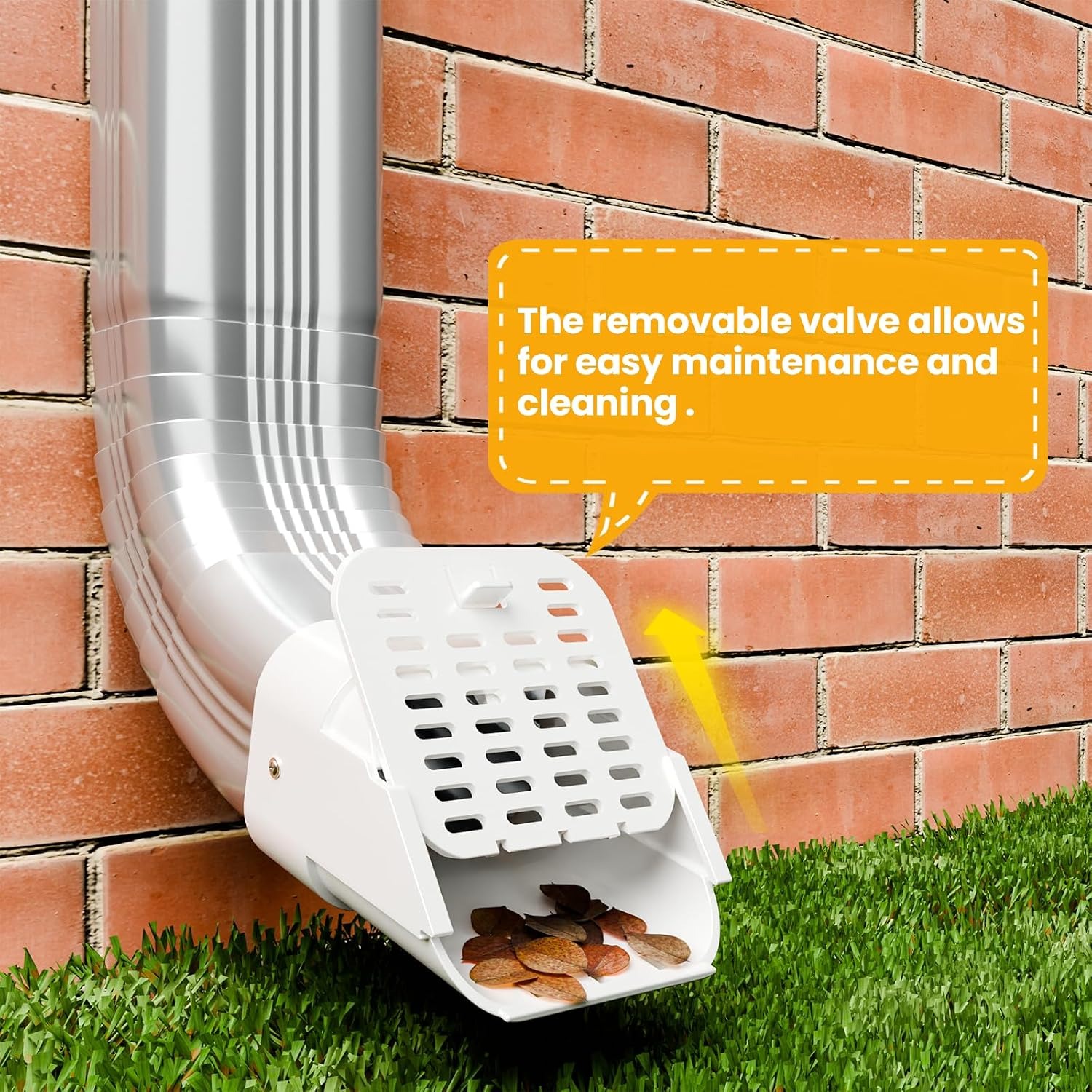
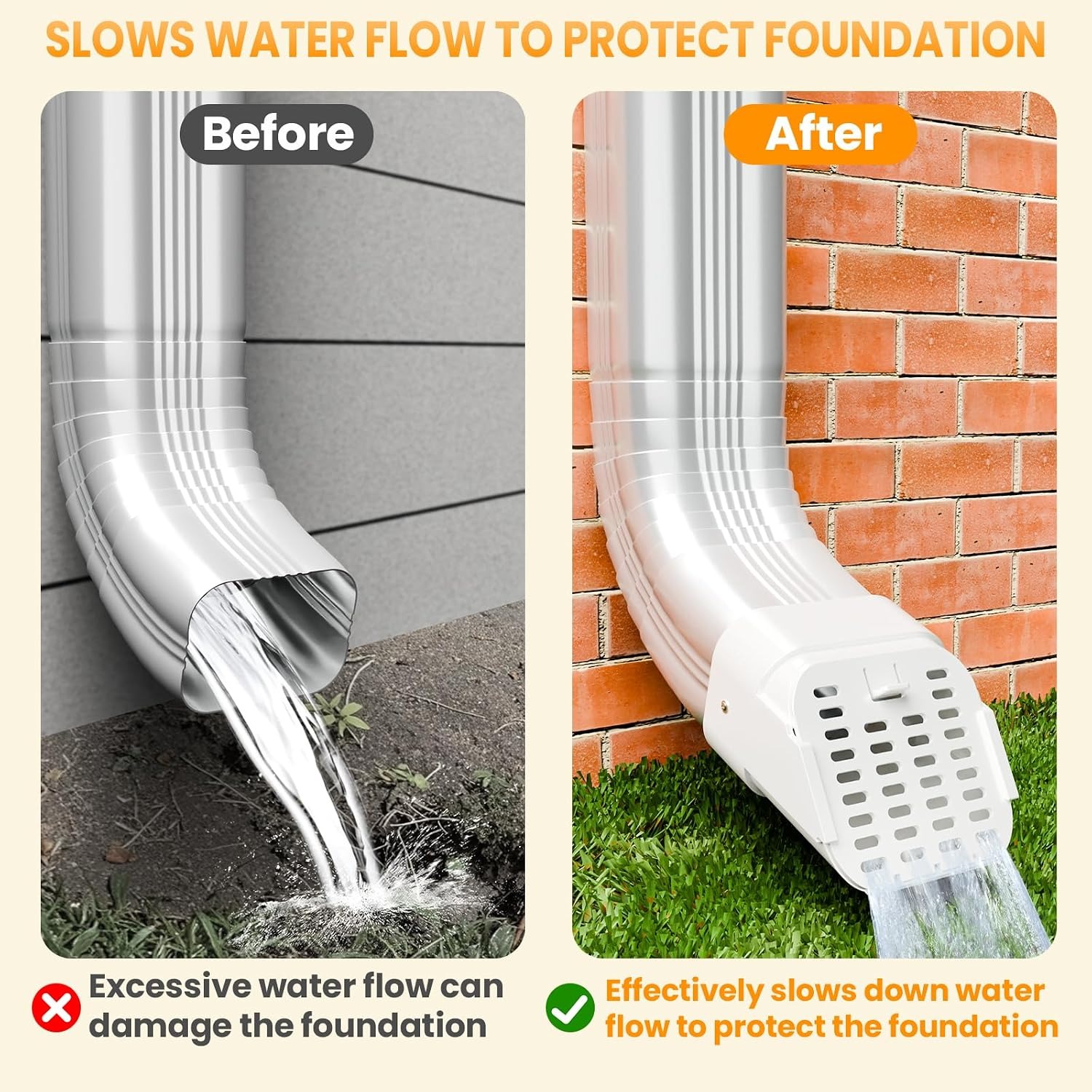
The second part is the removable valve door. Instead of water firing out of a bare opening, it passes through a filter-style door that breaks the flow into something gentler. If you have ever seen a trench cut into a garden bed directly below a spout, or mulch washed into a fan shape across a path, you have seen the problem this solves. Slowing the discharge gives the ground time to absorb it rather than carrying it away.
That door lifts out. This is more important than it sounds. The reason cheap screens fail is not that they stop working as barriers, it is that they clog with leaves and then nobody wants to unbolt the thing to clean it. If clearing it takes two minutes with bare hands, it actually gets done.
Who this suits
Houses with trees nearby. If you have deciduous trees overhanging or upwind, debris is coming down the system all season, and a screen you can clear by hand beats a sealed cover every time.
Houses with a known pest issue. If you have already had mice in a wall cavity or rats under decking, the downspouts are almost certainly part of their route. Closing them is a cheap step alongside the usual traps and sealing work.
Houses where water pools near the foundation. The combination of pest screen and flow-slowing door makes this useful even if you have never seen an animal. Anything that stops a jet of water hammering the same patch of soil is worth having.
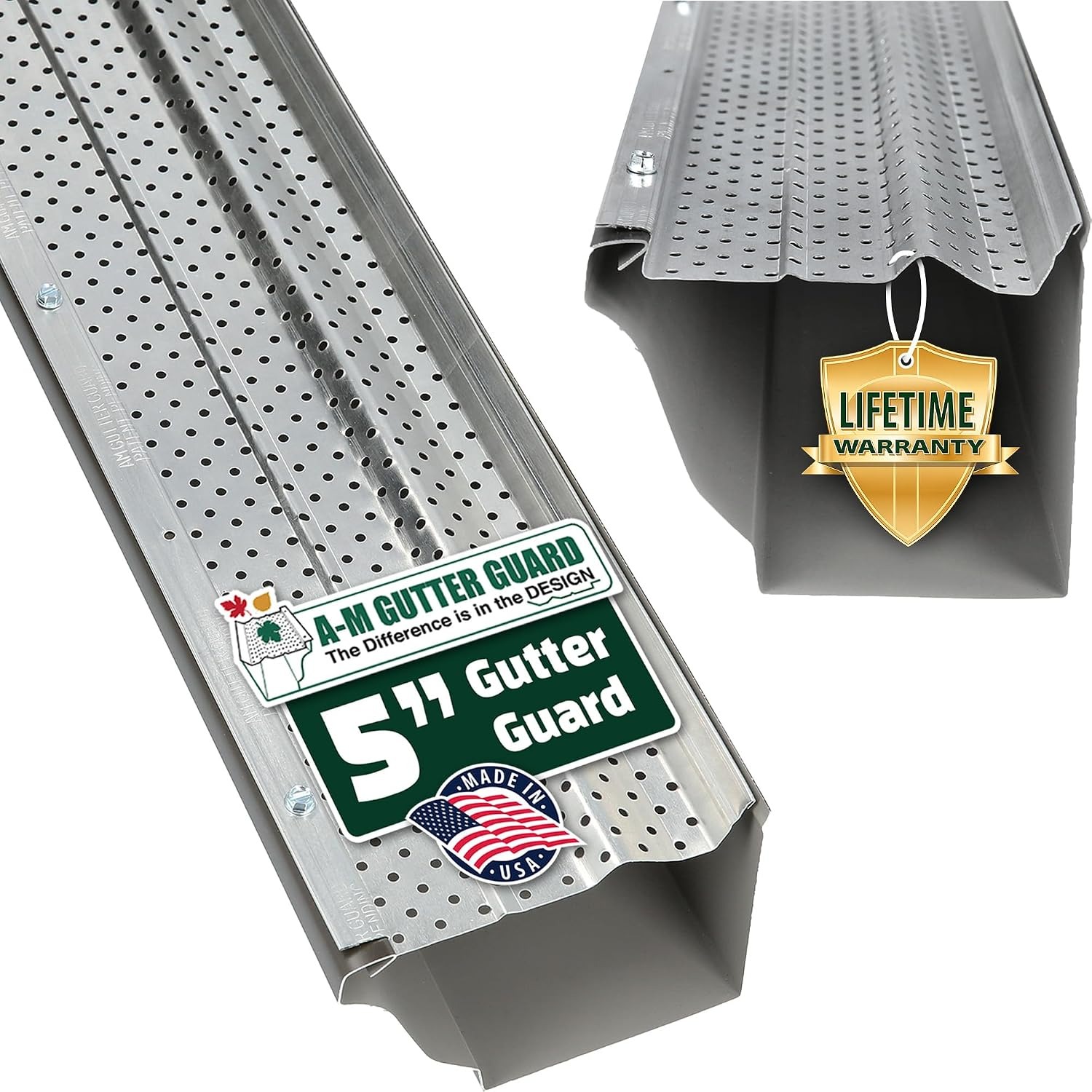
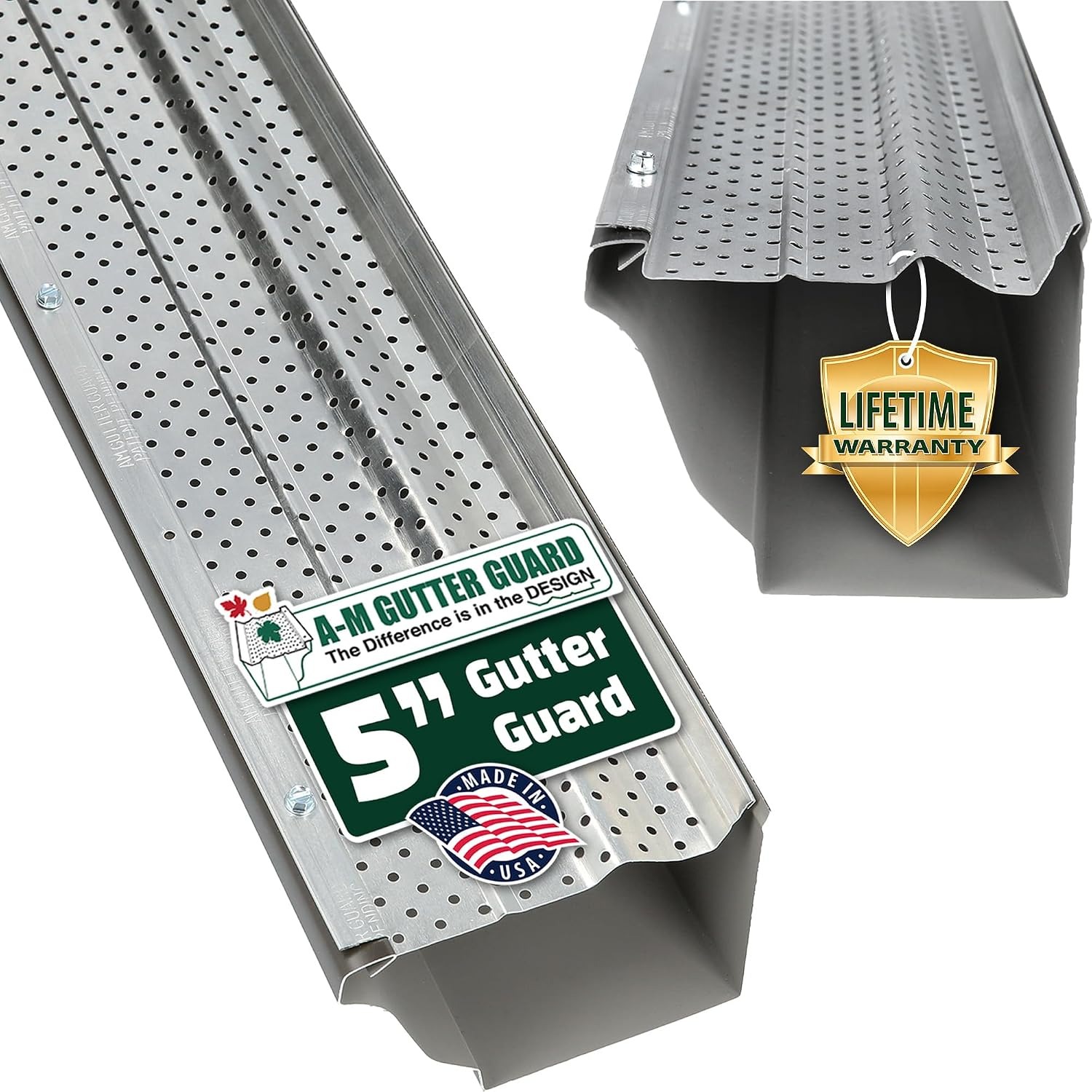
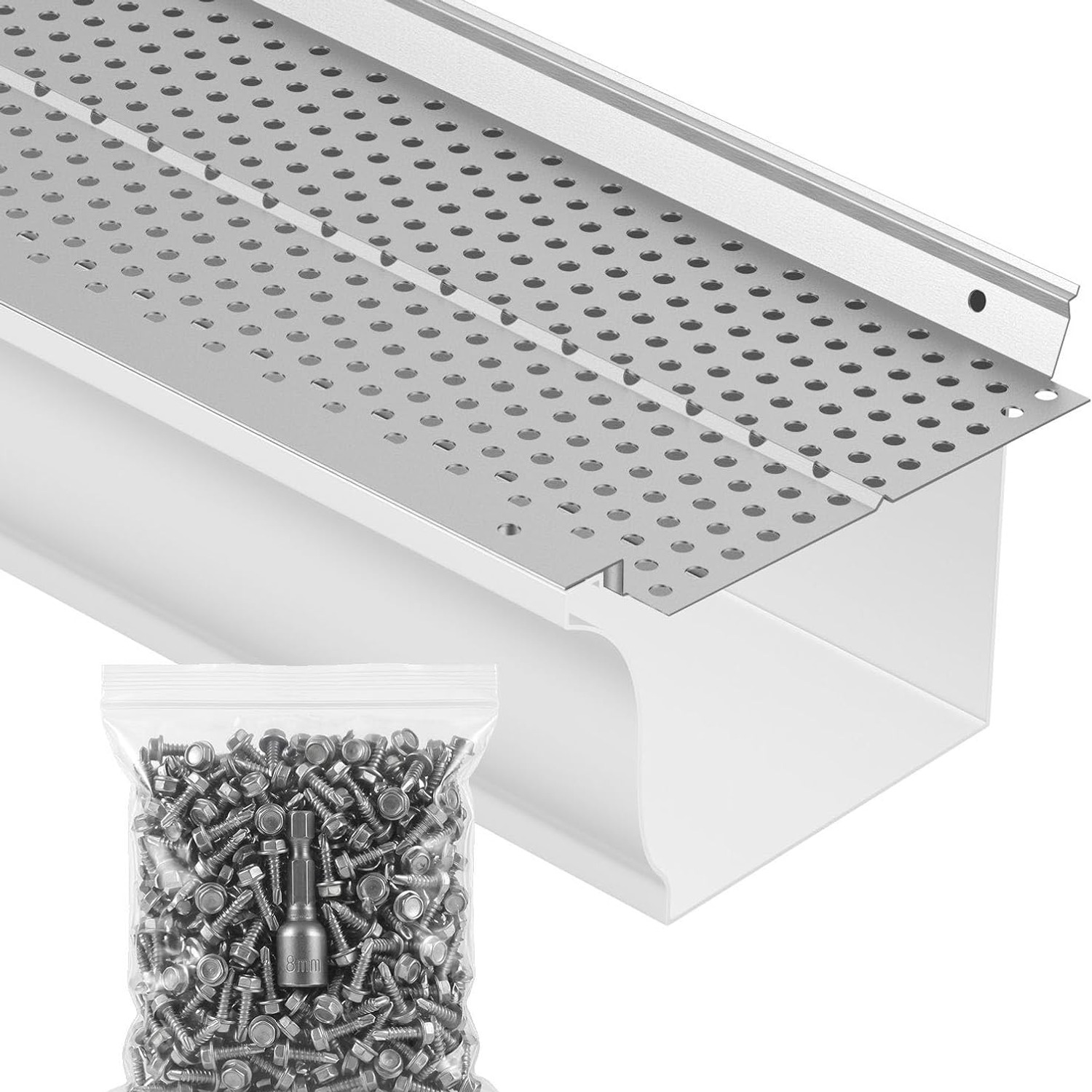
Houses that already have roof-level leaf guards. People sometimes assume gutter guards cover the whole system. They do not. They protect the horizontal channel. The spout opening at ground level is still wide open, and that is the end animals use.
Choosing the right one
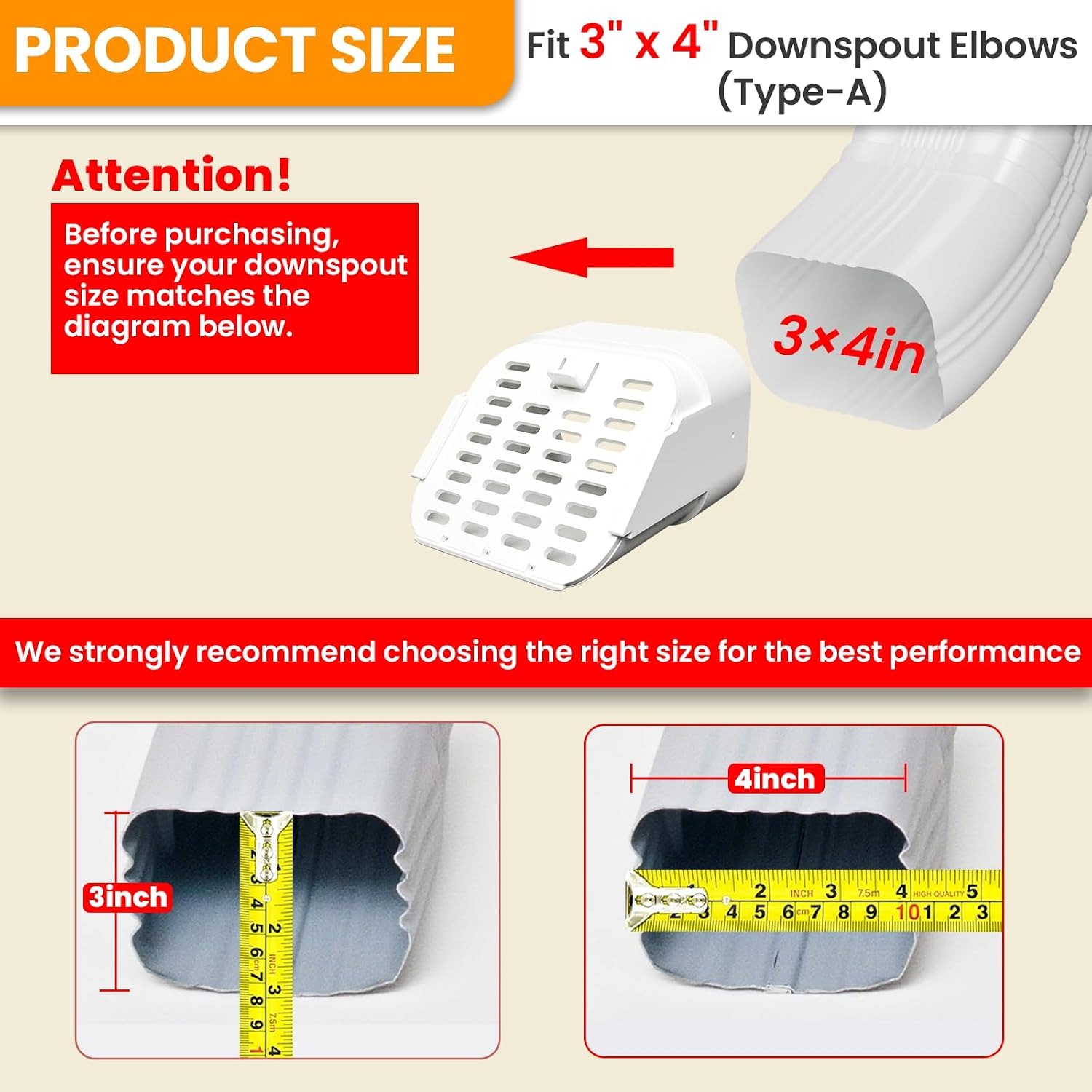
Start with the measurement. This guard fits Type-A downspouts in 3 x 4 inch or 2 x 3 inch. Those are the two most common rectangular sizes, but "most common" is not "all". Take a tape measure to the open end of your spout and check both faces before you order. Round downspouts and odd commercial profiles need something different.
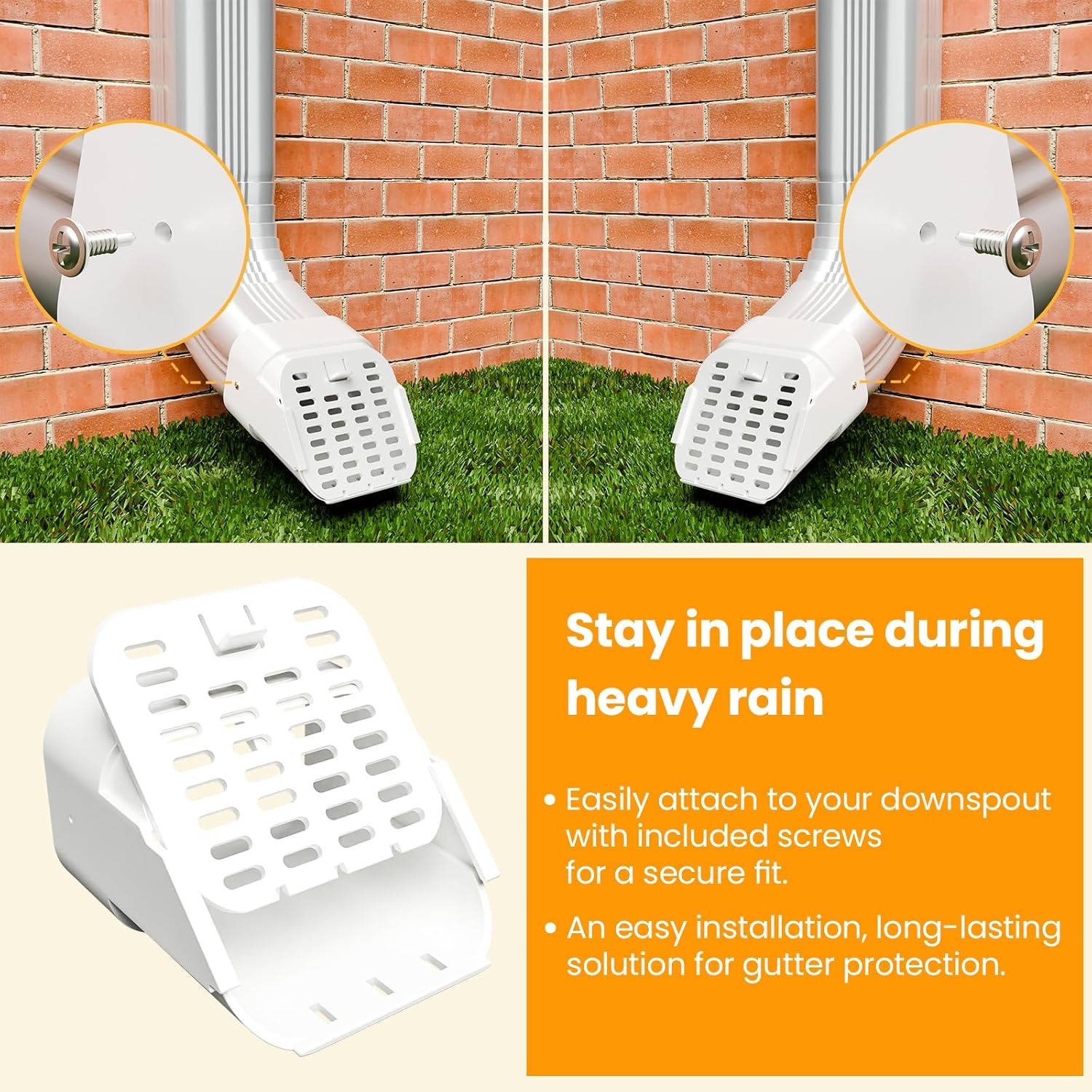
Decide how it attaches. Push-on covers exist and they are quick, but a surge of storm water can shift them, and once one is lying in the garden it is doing nothing. Screws make the fit permanent in the way that matters. This pack includes them, so you are not hunting through a jar in the shed for something that fits.
Think about cleaning before you buy, not after. A guard you cannot open is a guard you will eventually rip off. The removable door here is the deciding feature for a lot of buyers, and it is the right thing to focus on when you compare options.
Count your problem spots. You rarely need to do every downspout. The ones that matter are the ones with cover nearby, a woodpile, a compost bin, dense planting, a low shed roof that gives a leg up. A two-pack handles the usual pair. Buy two packs if your layout is more exposed.
Check the look. The white finish is neutral and it sits at eye level on most walls, so it will be seen. It also covers the scuffed, stained section of spout that nobody ever gets round to repainting, which is a small bonus.
Fitting it
Clear the opening first. Scoop out whatever leaf litter is already sitting at the bottom of the spout, because installing over an existing blockage just hides it.
Offer the guard up to the opening and check it sits square. Mark your screw positions, drill if your spout material needs it, then drive the supplied screws home. Snug is enough, over-tightening into thin metal or vinyl can distort the spout.
Then test it. Run a hose into the gutter above and watch the discharge. Water should come out steadily and spread rather than blast. If it backs up, something is still blocking the pipe higher up.
Keeping it working
The routine is short.
Before the wet season, lift the door out, clear whatever has collected, and put it back. After any storm bad enough to bring branches down, do it again. If you have heavy leaf fall, once a month through autumn is sensible.
Twice a year, check the screws are still tight and the screen has no damage. Rats can chew, and a hole in a barrier is worse than no barrier because it gives you false confidence.
Rinse the outer face with a hose if it looks grubby. Mild soapy water and a cloth will lift anything stubborn. Avoid harsh solvents.
What it will not do
Being straight about this is useful. A downspout guard closes one entry route. It does not seal a house. If mice are getting in through a gap under a door, a vent without mesh, or a service pipe penetration, this will not change that.
It also will not clear an existing blockage higher in the pipe. If water already overflows at the gutter, find and remove that obstruction first, then fit the guard to stop the next one forming.
And it is not a filter for fine sediment. It catches leaves, twigs and nesting material. Grit and silt will still pass through, which is fine, that is what you want going out rather than sitting in the pipe.
The short version
An open downspout is a dry, sheltered, vertical tunnel at ground level, and small animals treat it exactly as you would expect. Screening that opening is one of the cheapest fixes in home maintenance, and the flow-slowing door is a genuine bonus for anyone whose garden beds keep washing out.
Measure your spout, confirm it is a Type-A 3 x 4 inch or 2 x 3 inch, fit both guards to the corners that cause the most trouble, and clear the door a couple of times a year. That is the whole job. Done once, it quietly keeps working every time it rains.