
The complete guide
How To Choose And Use A Gutter Cleaning Spoon
The job nobody enjoys
Gutters only get noticed when they stop working. Water spills over the front edge in a storm, a dark streak appears down the render, or the fascia starts to go soft. By then the trough has usually been packed for a season or two with leaves, roof grit, moss and the odd tennis ball.
The cleaning itself is not complicated. The awkward part is the reach. You are on a ladder, one hand steadying yourself, trying to dig compacted muck out of a channel that is barely wider than your hand. Then you hit a hanger, one of the brackets holding the gutter to the fascia, and your glove will not fit past it. So you lean. Leaning on a ladder is how most gutter cleaning injuries happen.
A proper gutter cleaning spoon fixes the reach problem before it turns into a balance problem.
How this tool actually works
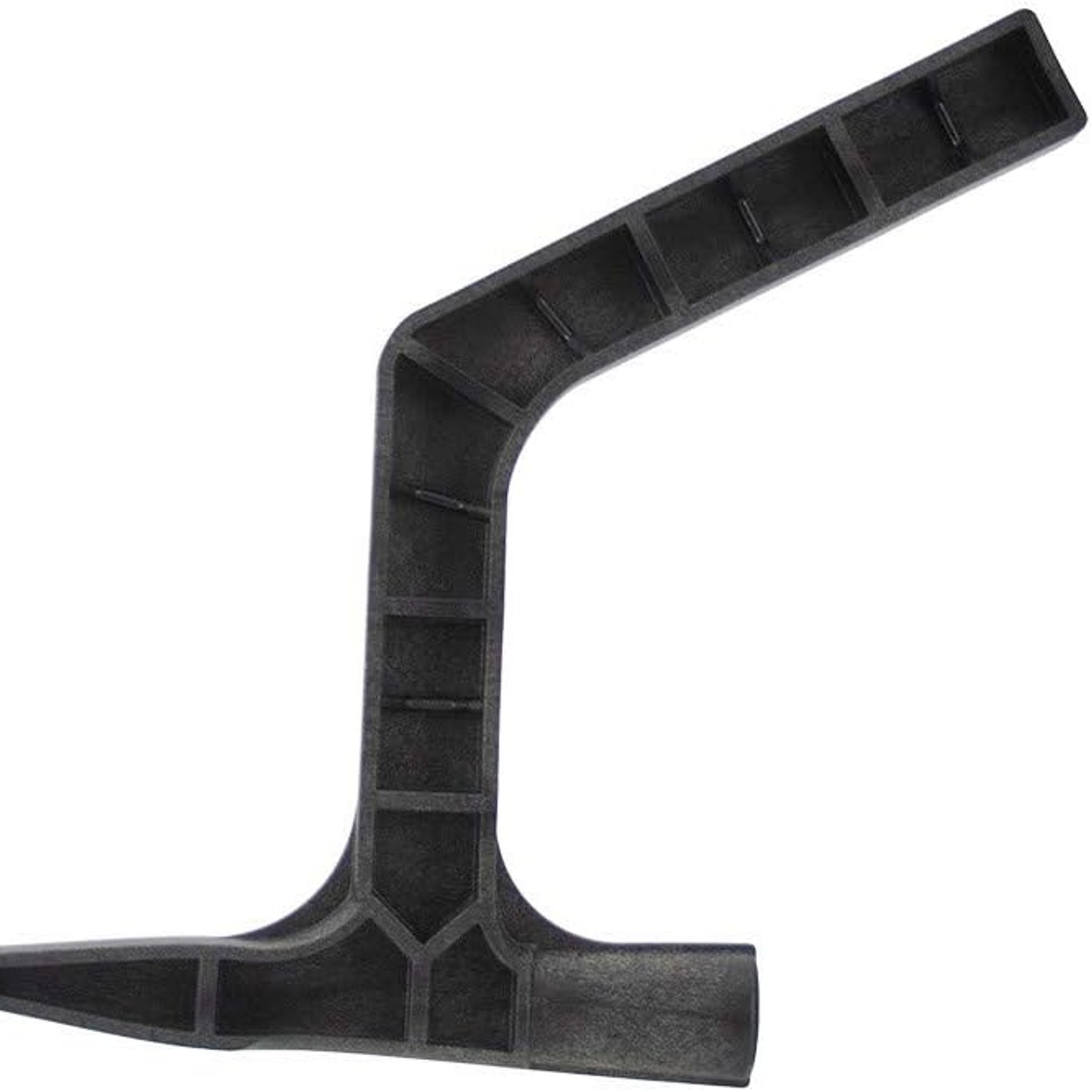
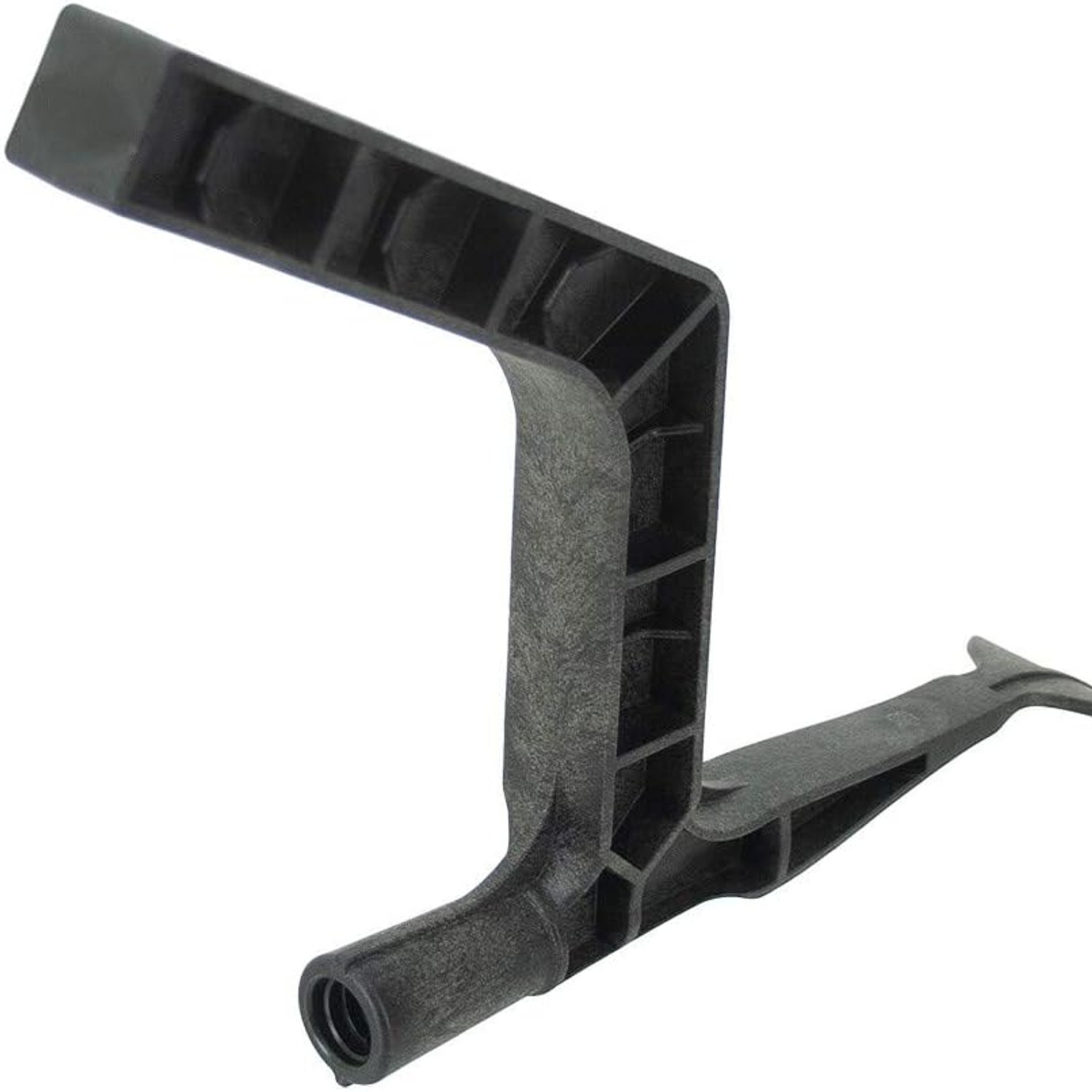
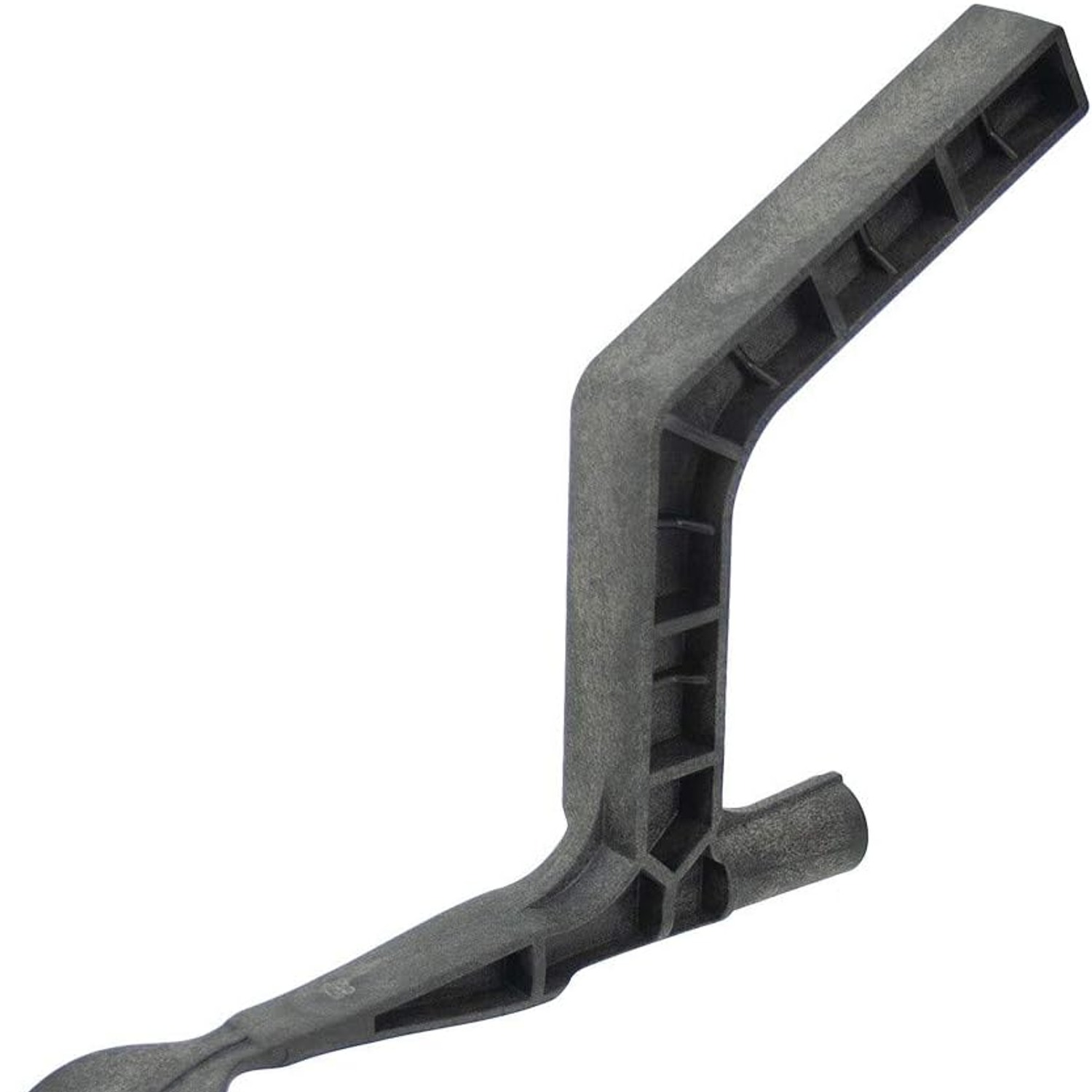
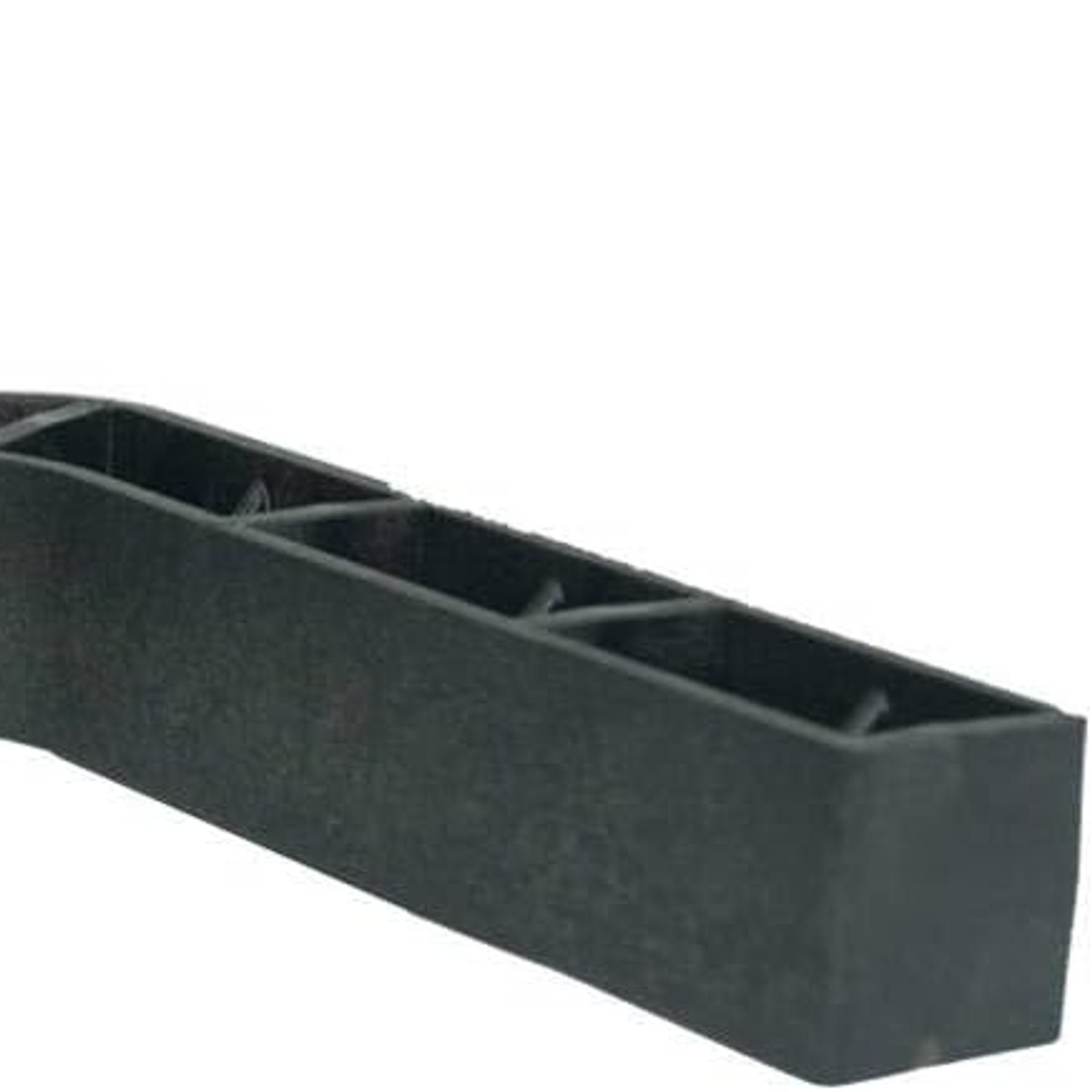
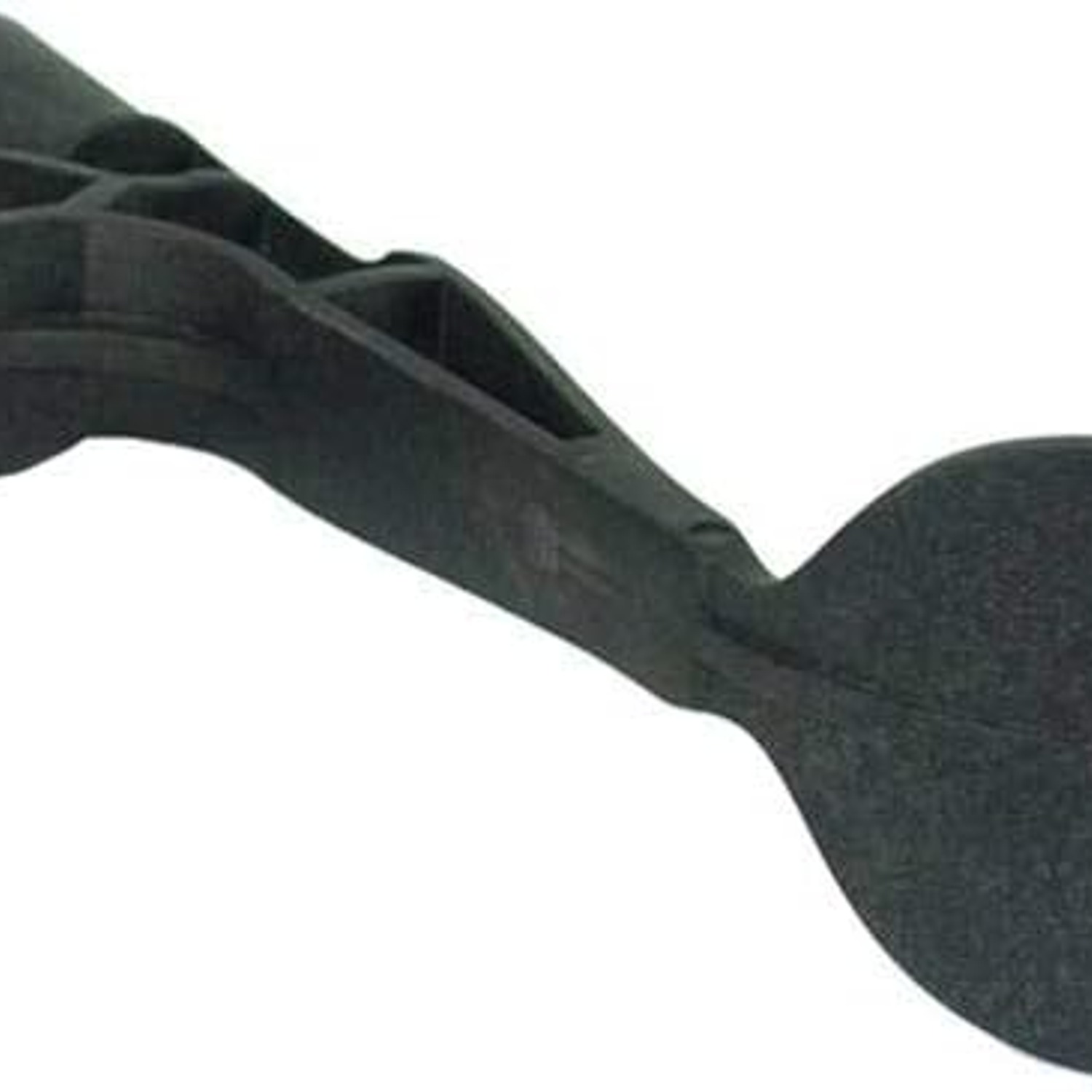
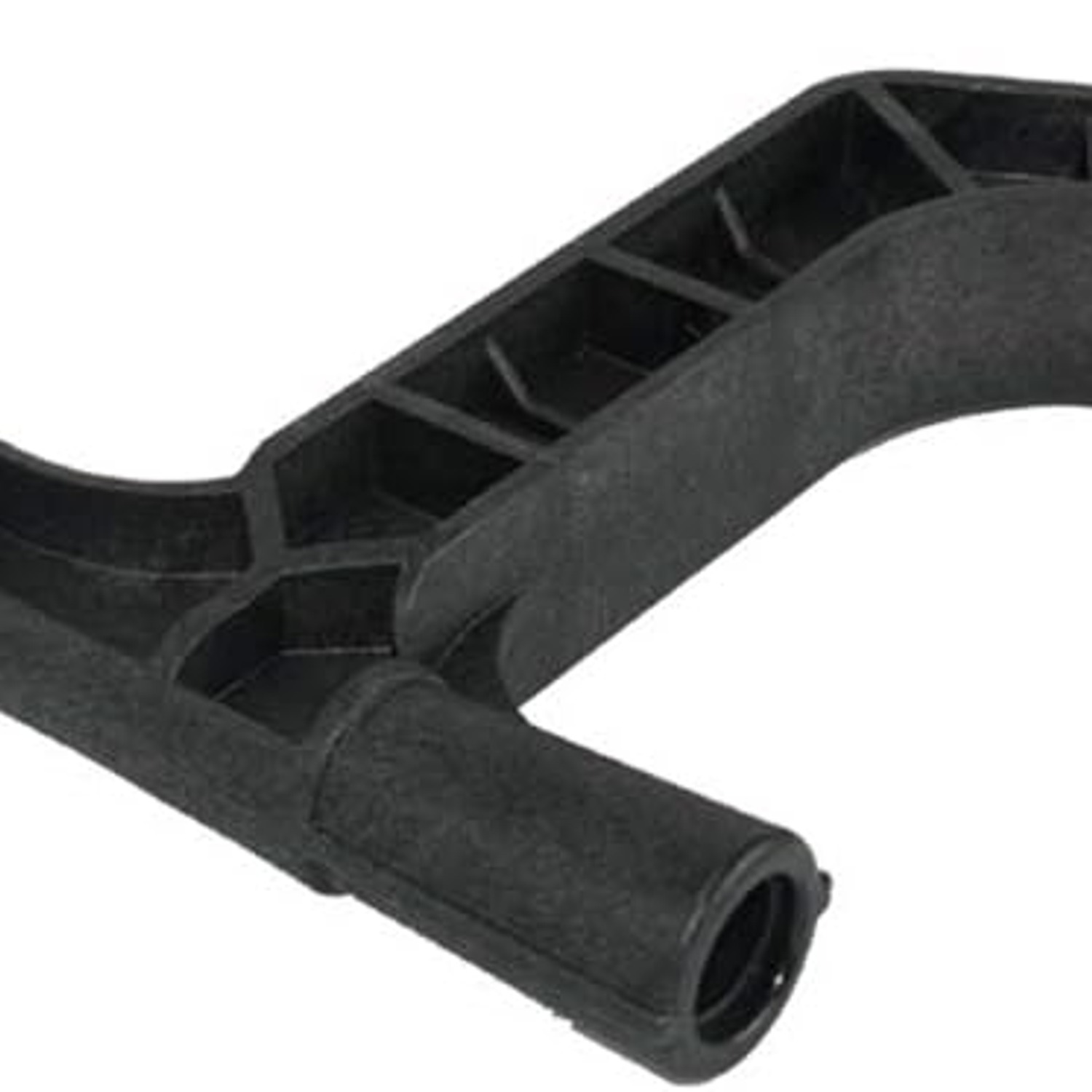
Think of it as a trowel that learned a trick. The head is narrow, about 2.75 inches across, so it drops straight into a standard gutter channel and sits flat on the bottom. The body is deep enough to hold a real scoop of wet debris rather than skimming leaves off the top.
The trick is the hook. The head is shaped so the leading edge curls, which lets you push the tool past a clump of debris and then pull it back toward you. That changes the whole motion of the job. Instead of pushing material along the gutter until it piles up at a hanger, you drag it out from underneath.
That same hook is what gets you behind a skylight curb or a chimney flashing. Those spots trap debris because water slows down around them, and they are exactly where a wide, flat scoop stops dead.
The second half of the design is the handle. It attaches to most standard extension poles, the same kind you might already own for painting or window cleaning. Fit a pole and your working range stretches a long way, commonly around a 20-foot span from one position. The practical result is fewer ladder moves. Every time you avoid climbing down, repositioning the feet and climbing back up, you have saved yourself time and removed a small amount of risk.
There is one more detail that sounds minor and is not. The shape lets you hook the tool over a ladder rung. When you need both hands, for a debris bag or just to steady yourself, the scoop is hanging right there instead of lying in the flowerbed.
Who it suits
If you own a house with trees anywhere near it, this is a sensible tool to have. Deciduous trees drop leaves in a short burst. Pines and gums drop needles, pods and bark all year, and that material is the worst kind, fine enough to pack down hard and fibrous enough to knit together.
It also suits anyone cleaning gutters for work. It is sold as contractor grade and made in the USA, which in plain terms means it is intended to survive a lot of uses rather than one autumn. Window cleaners and property maintenance crews who already carry extension poles get the most out of it, because the pole is the expensive part and they already have it.
Single-story homeowners can use it by hand without a pole at all. At 16 inches long it gives you useful reach from a short ladder, and at 9.6 ounces it is light in the hand.
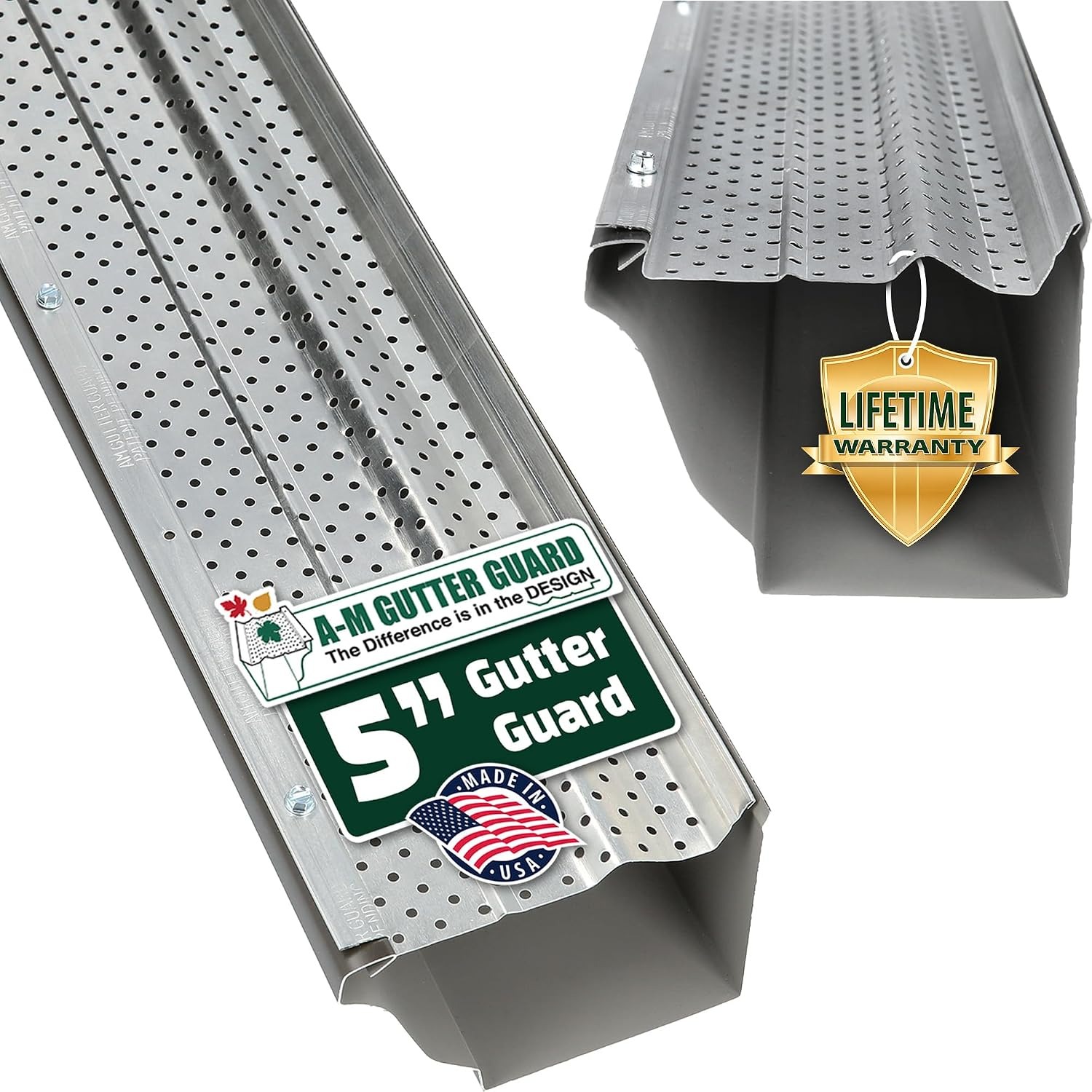
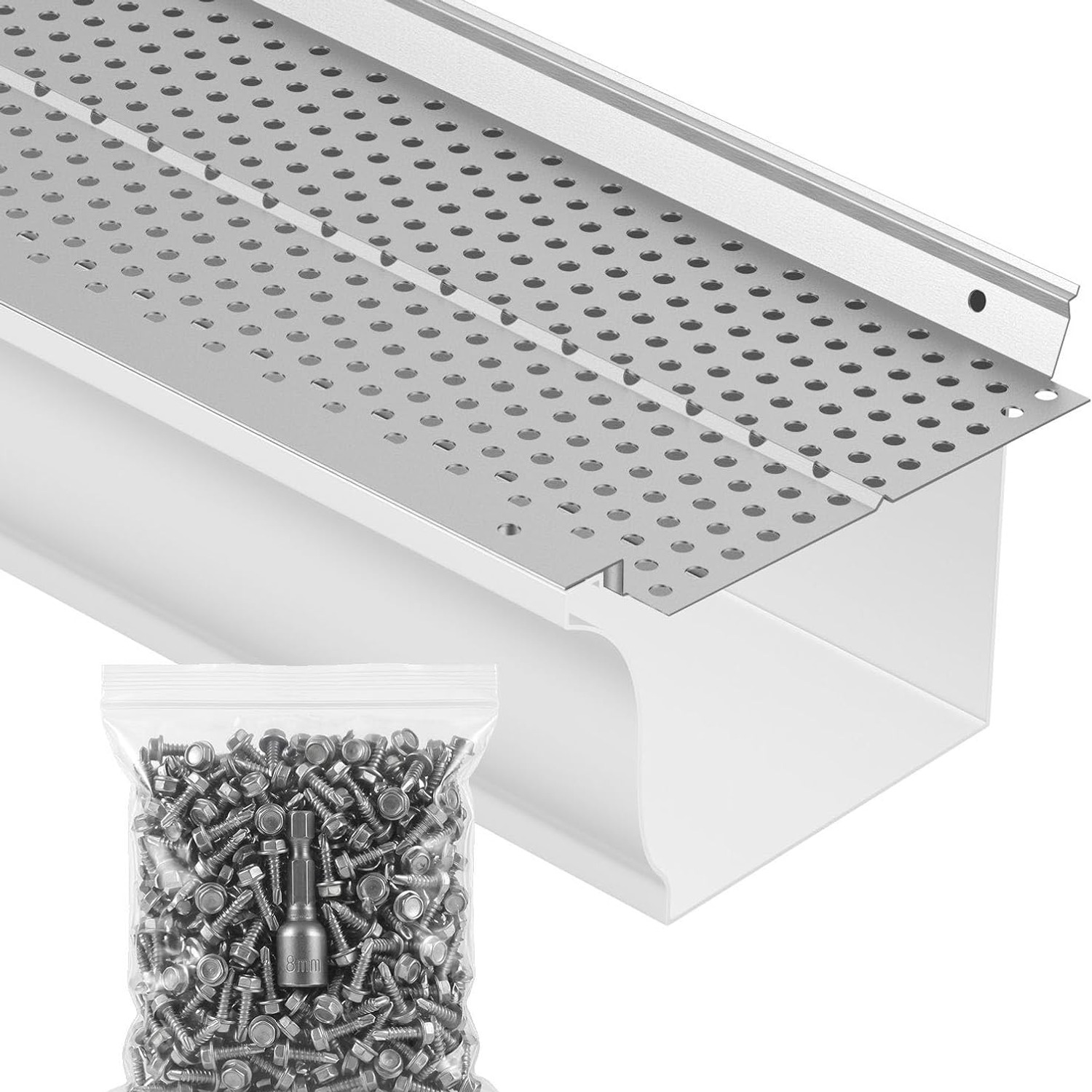
If you have fixed, rigid gutter guards across the whole roof, this is less useful. You would be sweeping the top of the mesh rather than clearing the trough, and forcing a hook under a rigid guard is a good way to damage it.
Choosing the right scoop
A few things actually matter when picking a gutter scoop tool, and a few things do not.
Width is the first. Measure the inside of your gutter. A scoop wider than the channel will ride up the sides and leave material at the bottom. This one at 2.75 inches fits standard residential guttering comfortably.
Pole compatibility is the second. Check what fitting your existing extension pole uses before you buy anything. A tool that fits most standard poles is only useful if yours is one of them.
Weight is third, and it gets underrated. Anything you hold above shoulder height for twenty minutes feels heavier than it did in the shop. Under 10 ounces is a good target, and this sits at 9.6.
What does not matter much is a fancy grip or an oversized bucket head. Big heads sound efficient and are a nuisance in practice, because they do not fit past hangers and they spill their load the moment you tilt them. A narrow head that actually reaches the debris beats a large head that cannot.
Doing the job safely
The tool is the easy part. The ladder is where the attention should go.
Set the ladder on firm, level ground at roughly a four-to-one angle, a foot out from the wall for every four feet of height. Use a stand-off bracket if you have one, so the ladder rests on the wall or roof rather than crushing the guttering. Have someone foot the ladder if you can.
Keep your belt buckle between the rails. That one rule prevents most overreaching. When you cannot reach any further without breaking it, that is the moment to fit a pole or climb down and move.
Wear gloves. Old gutter sludge holds grit, roofing nails, sharp bits of shingle and sometimes a rotting bird. Eye protection matters too, since dragging debris toward you means it comes toward your face.
Work in dry conditions where possible. Wet leaves are heavier and ladder feet slip more easily on damp ground.
Working method that saves time
Start at the end furthest from the downspout and work toward it. That way you are never pushing debris into a blocked outlet.
Drop the hook past a section of debris, draw it back, and lift the load out into a bucket hooked on the ladder or a bag below. Resist the urge to flick material over your shoulder, since half of it lands back in the gutter and the rest lands in the garden.
Clear the area around the downspout mouth last. If water still will not drain, the blockage is inside the pipe and you need a flexible rod or a hose, not a scoop.
Finish with a hose flush along the whole run. That tells you two things, whether the fall is correct and whether there are leaks at the joints. Water pooling in one spot means the gutter has sagged and needs a hanger adjusted.
Looking after it
This takes about a minute. Rinse the head with clean water so grit does not dry on. Clear out the pole socket, because packed grit in there is the reason a pole will not seat properly next season. Let everything dry, then store it indoors or under cover.
There is nothing to sharpen, nothing to oil and no moving parts to seize. Checking that any fasteners are still snug at the start of each season is about the extent of maintenance.
The short version
Gutter cleaning is not hard work, it is awkward work, and the awkwardness is what makes it risky. A hooked gutter cleaning spoon removes most of that awkwardness by letting you pull debris toward you instead of stretching out to reach it.
This one is narrow enough for standard guttering, light enough to hold overhead, hooked for getting under hangers and around skylights, and fitted to take most standard extension poles so you move the ladder less. It is made in the USA to a contractor standard, measures 2.75 x 8.75 x 16 inches and weighs 9.6 ounces.
If you have been doing this job by hand with a garden trowel and a lot of leaning, this is the upgrade worth making.