
The complete guide
Downspout Guards, A Practical Buyer's Guide
The small blockage that causes big damage
Most gutter problems do not start with a collapsed section or a rusted joint. They start with a handful of soggy leaves sitting right where the gutter channel narrows into the downspout. Water backs up behind that little dam, fills the channel, and then goes over the side. From there it runs down your wall, soaks the fascia board, and pools against the foundation.
If you have ever watched a waterfall come off the corner of your roof in a storm, you have seen it happen. The annoying part is that the fix is almost always trivial. Clear the outlet, and the whole system works again.
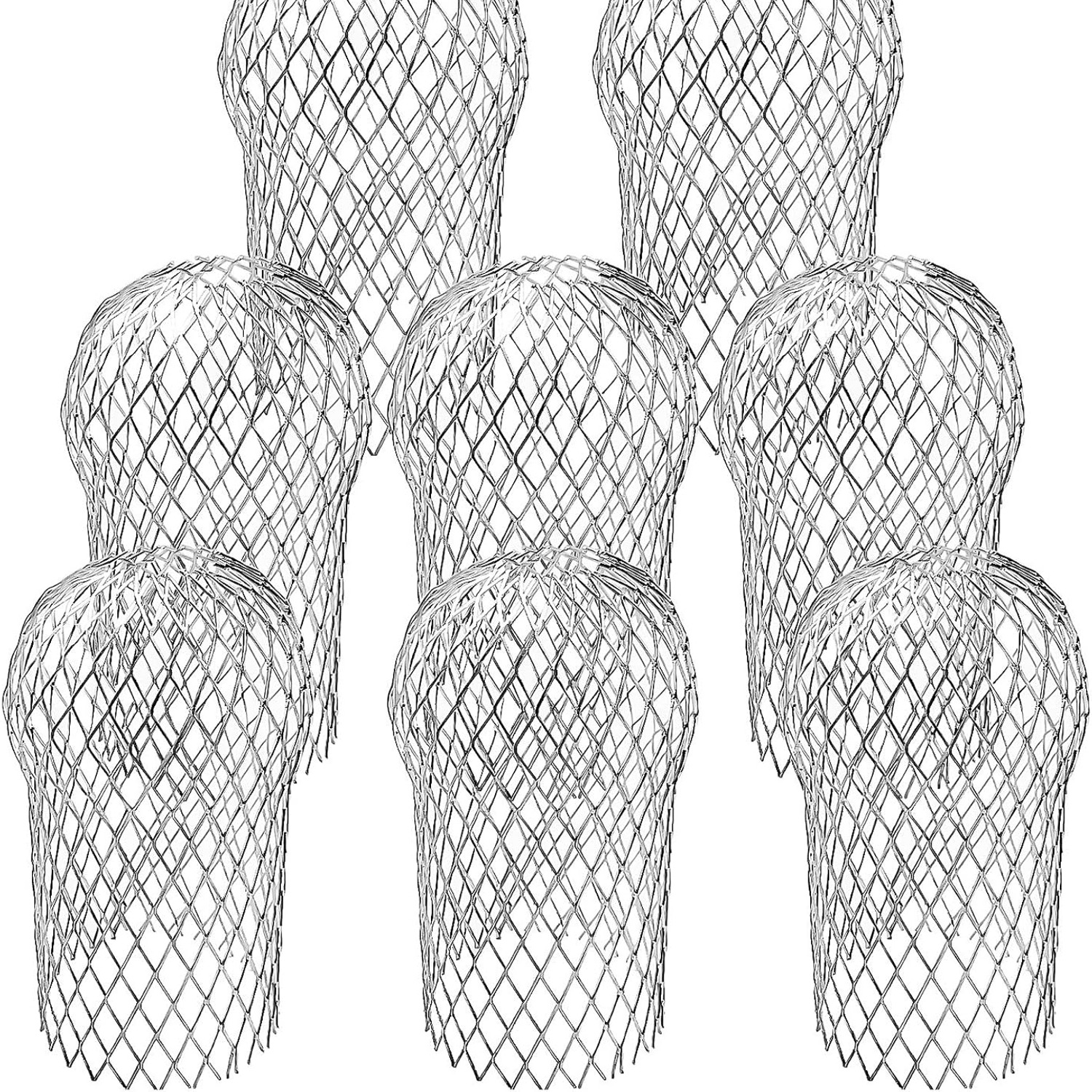
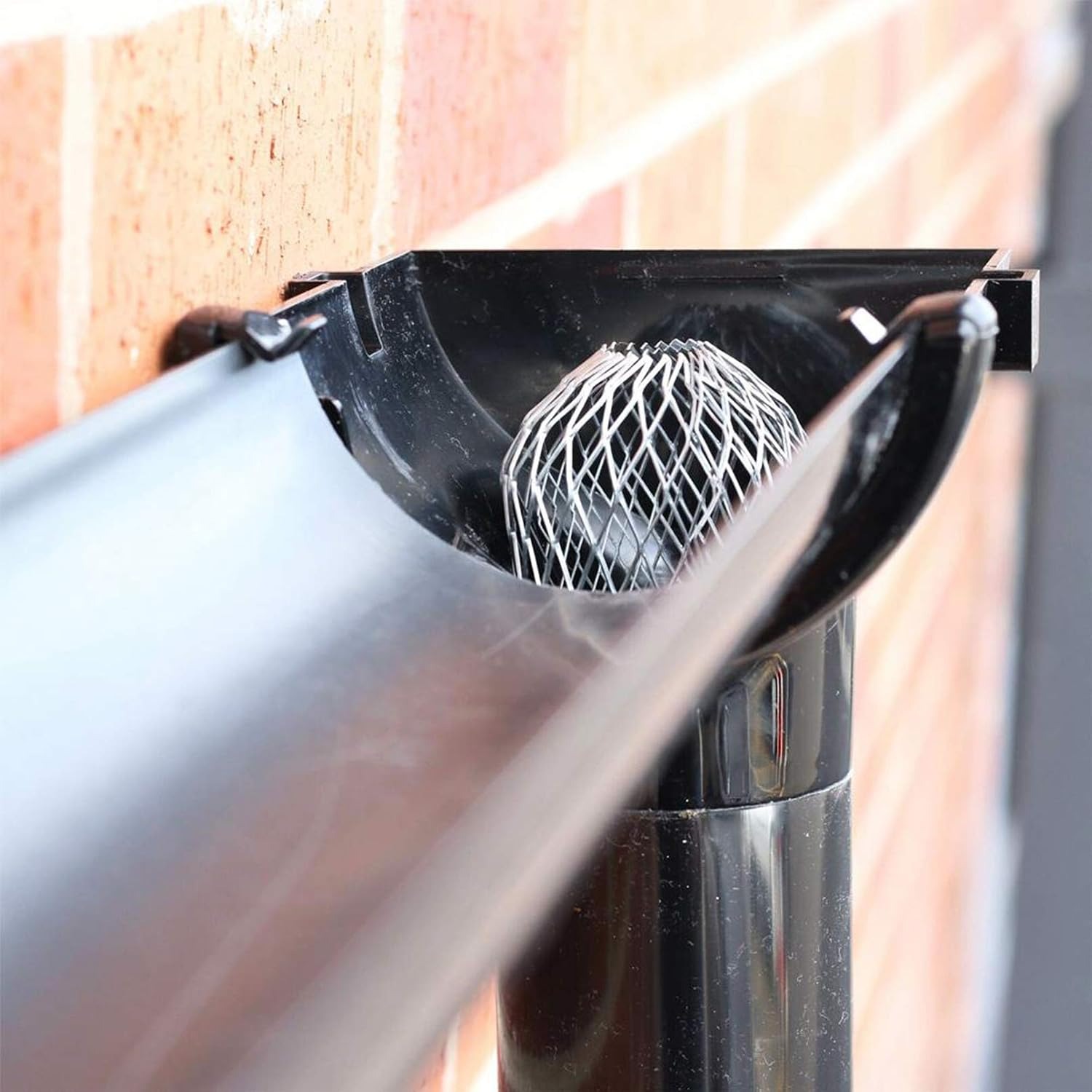
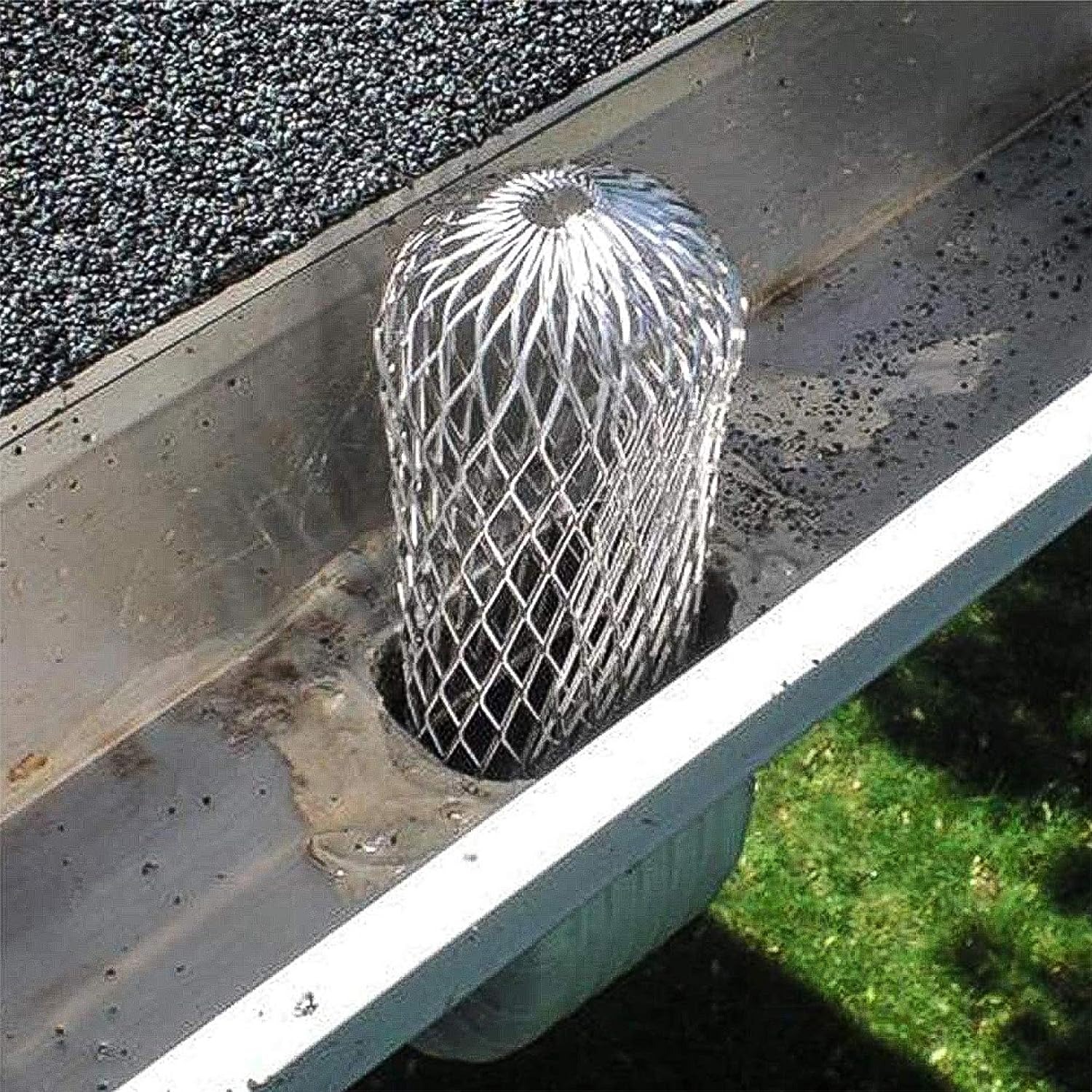
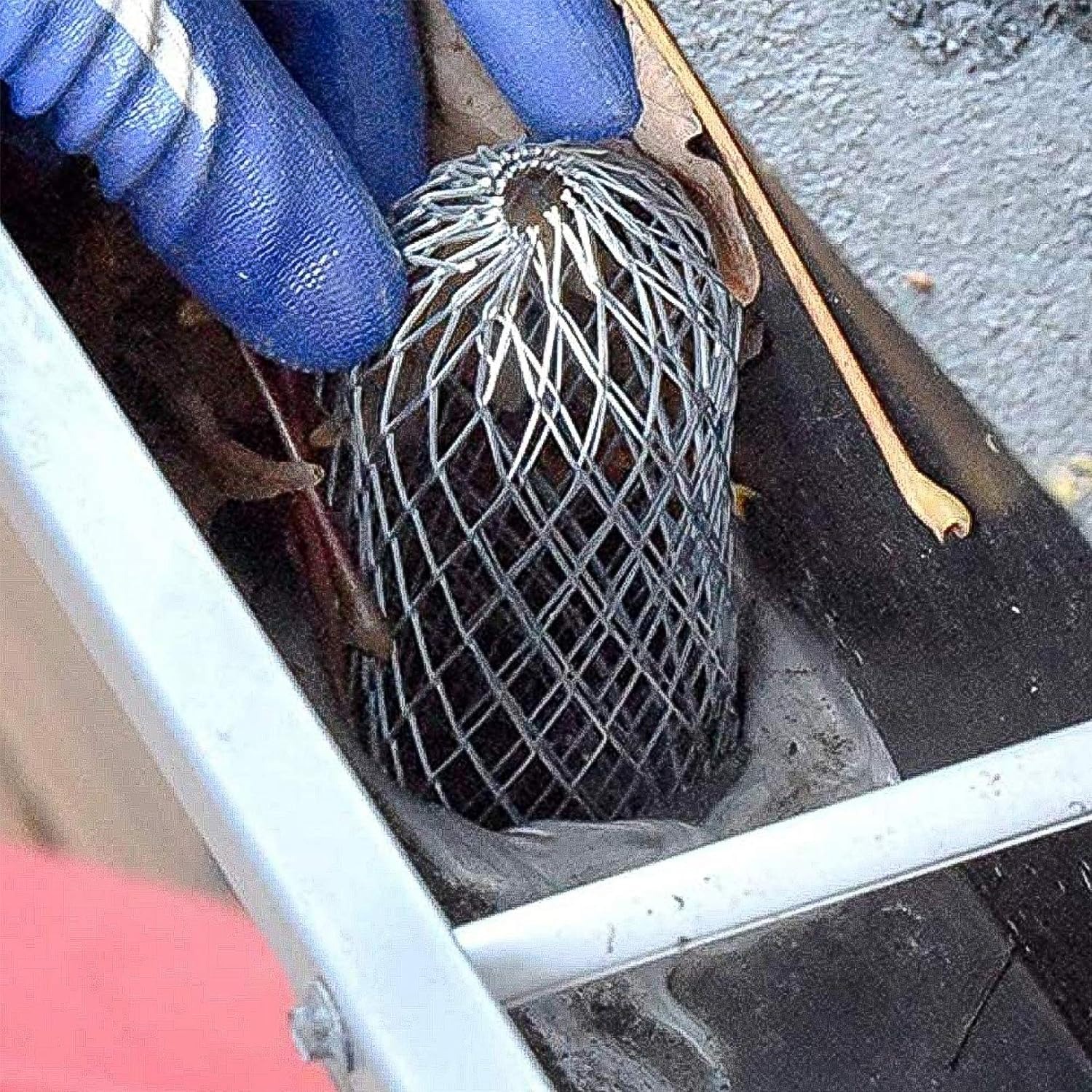
A downspout guard is a small mesh strainer that sits in that exact spot. Debris lands on top of it instead of washing into the pipe. The water keeps going. You still get leaves in the gutter channel, but they stay where you can see them and reach them, rather than packing themselves into a pipe you cannot inspect.
How these guards work
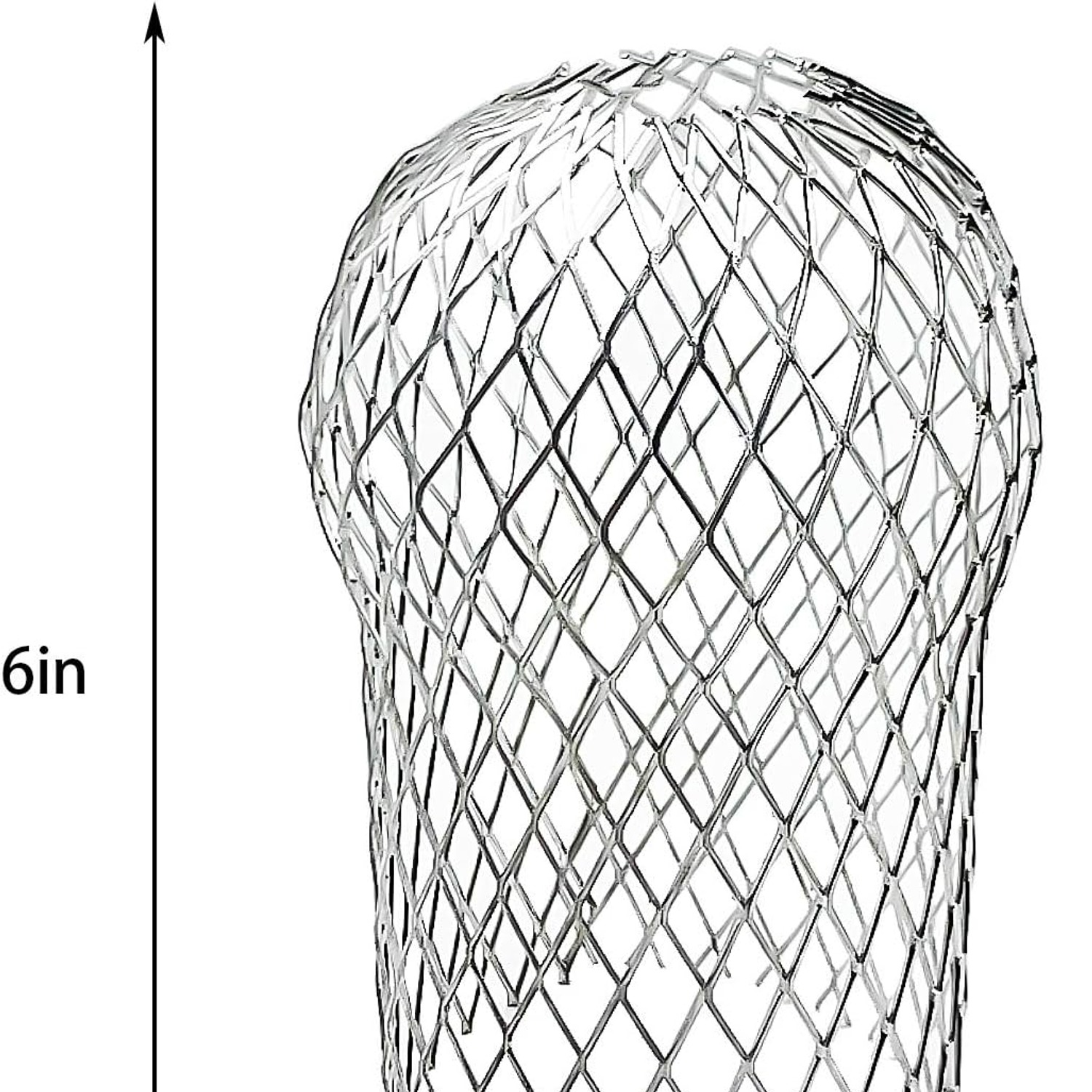
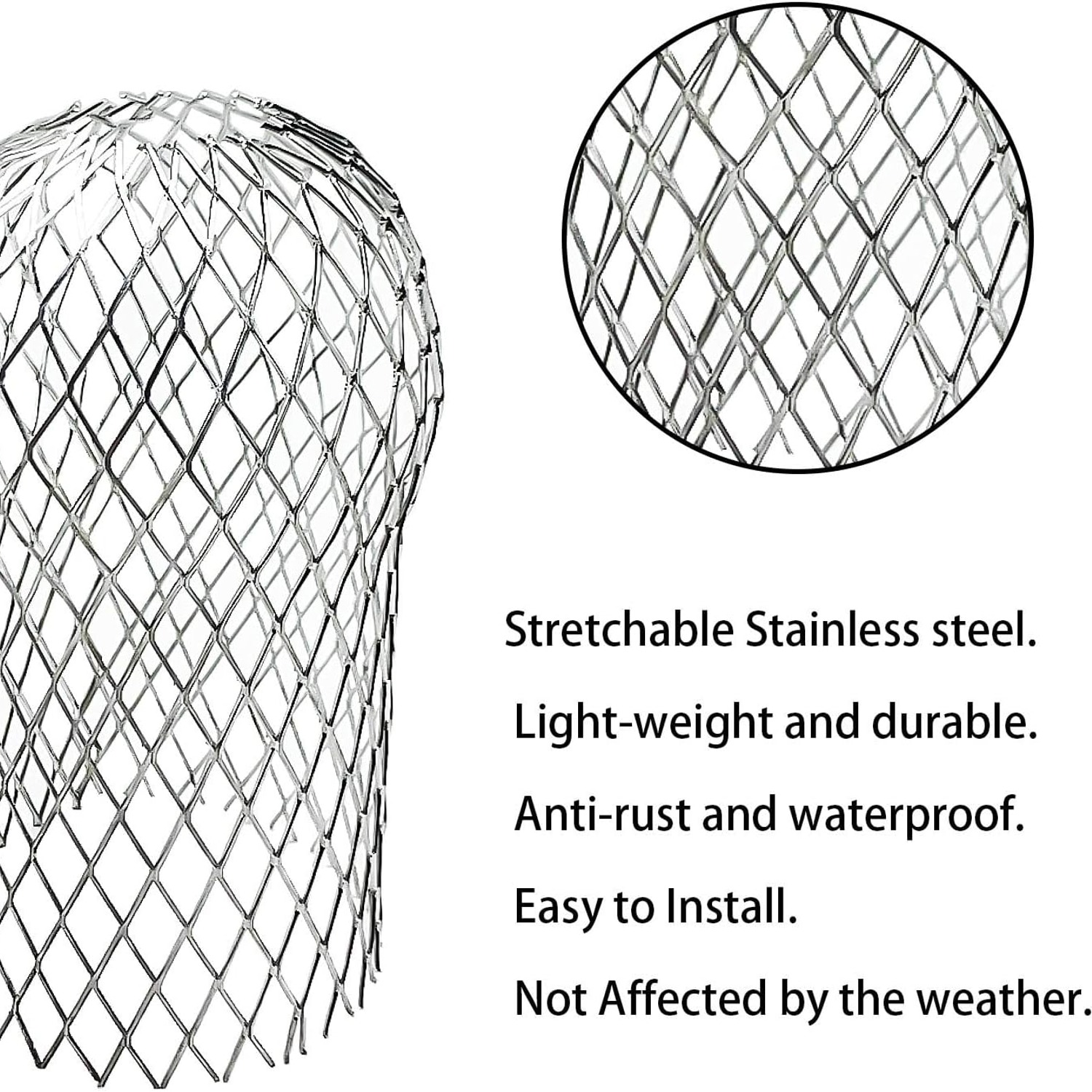
Each guard in this pack is a piece of aluminum mesh, 3.5 inches wide and 6 inches tall, shaped so it can be dropped into the mouth of a downspout. The mesh is not rigid. You can squeeze or open it with your hands, which is the whole point of calling it expandable. Downspout holes get slightly out of round over time, especially on older steel or aluminum guttering, and a guard that flexes will seat where a rigid plastic one rattles around.
The listed fit covers most openings between 2 and 4 inches, with 3.5 inches as the nominal size. The 6 inch height means part of the guard sits down inside the pipe and part stands proud in the gutter channel. That exposed section is what catches the debris, and it is also what gives you something to grab when you want to pull the guard out for cleaning.
There is no mechanism, no hinge and nothing to wear out. It is a sieve held in place by friction.
Why aluminum matters here
A gutter outlet is one of the wetter places on a house. It holds standing water after every shower, it gets direct sun between storms, and in colder climates it freezes. Plain steel in that environment turns to rust flakes within a couple of seasons, and those flakes end up in the pipe you were trying to protect.
Aluminum does not rust. It forms a thin surface oxide and then stops, which is why so much gutter hardware is made from it in the first place. These guards use aluminum with a polished finish, so they are light to carry up a ladder and they stay intact outdoors year after year.
The trade off with any thin metal mesh is sharp edges. Handle the guards with gloves on. It is not a design flaw so much as a fact of cut metal, and a pair of garden gloves solves it completely.
Who these suit
If you have trees anywhere near your roofline, you are the main audience. Oaks, maples, gums and anything that drops seed pods all end up in gutters, and it is the outlet that catches the worst of it.
They also suit anyone who would rather do a short maintenance job twice a year than call someone out to clear a packed downspout. Clearing a blocked pipe properly can mean dismantling a section, running a snake down it, or flushing it under pressure. Preventing the blockage costs a few minutes.
Renters and people with single story homes get particular value here, because fitting is genuinely tool free. There is nothing to drill, nothing permanent, and nothing to explain to a landlord. Owners of sheds, garages, carports and small workshops can use the spare guards from the pack on those roofs too.
The one group who should look elsewhere are people with very wide commercial sized outlets, or anyone who wants a full length gutter cover along the whole channel. This is an outlet strainer. It protects the pipe, not the trough.
How to choose and fit them
Start by measuring. Take a tape measure to the widest point of your downspout opening. If it falls between 2 and 4 inches, these will work. If you are unsure whether the hole is round or has gone slightly oval, measure both directions and use the larger number.
Count your outlets while you are up there. Eight guards covers most homes, but a long house with multiple roof sections may need more, and it is worth knowing before you order.
Fitting is straightforward. Hold the guard, taper the lower part slightly if the hole is tight, and press it down into the opening until the mesh grips the pipe wall. Give it a gentle tug. If it lifts out too easily, open the mesh a little to widen it and push it back in. If it will not go in at all, squeeze it narrower.
Do the ladder work sensibly. Three points of contact, feet on firm level ground, and someone nearby if you are working above single story height. The guards are light, so you do not need to carry much up with you.
Keeping them working
A downspout guard is not fit and forget. It is fit and glance at occasionally, which is a much smaller commitment.
Twice a year suits most homes. Once in late autumn after the leaves have come down, and once in spring. If you have heavy overhanging trees, add a check after any big storm.
Cleaning is simple. Lift the guard out, tip the debris onto the ground or into a bucket, and brush the mesh if it looks caked with grit or moss. A quick hose rinse helps if the mesh has gone green. Let it dry, then push it back in. A minute per outlet is realistic.
While you have the guard out, take a look down the pipe. If water drains away freely when you pour a bucket into the gutter near the outlet, everything below is clear.
One thing to watch for is a thick mat of wet leaves sitting on top of the guard over winter. The guard is doing its job by holding them there, but if the mat gets deep enough, water can pool in the channel during heavy rain. That is the case for the autumn clean rather than an argument against the product.
The short version
Blocked downspouts cause overflowing gutters, wet walls and damp foundations, and the blockage almost always starts at the outlet. These eight aluminum guards sit in that outlet, let water through, and hold back leaves, twigs, moss and roof grit. They also keep birds and rodents from getting into the pipe.
Each guard is 3.5 inches wide and 6 inches tall, flexes by hand to suit most 2 to 4 inch openings, and pushes into place without tools. Aluminum handles weather without rusting. Eight in the pack covers a typical house with spares for the shed.
Measure your outlet, wear gloves, and give the guards a clear out twice a year. That is the whole job.